// GYL 2026 university seminar
uwaterloo
software engineering
julian kim
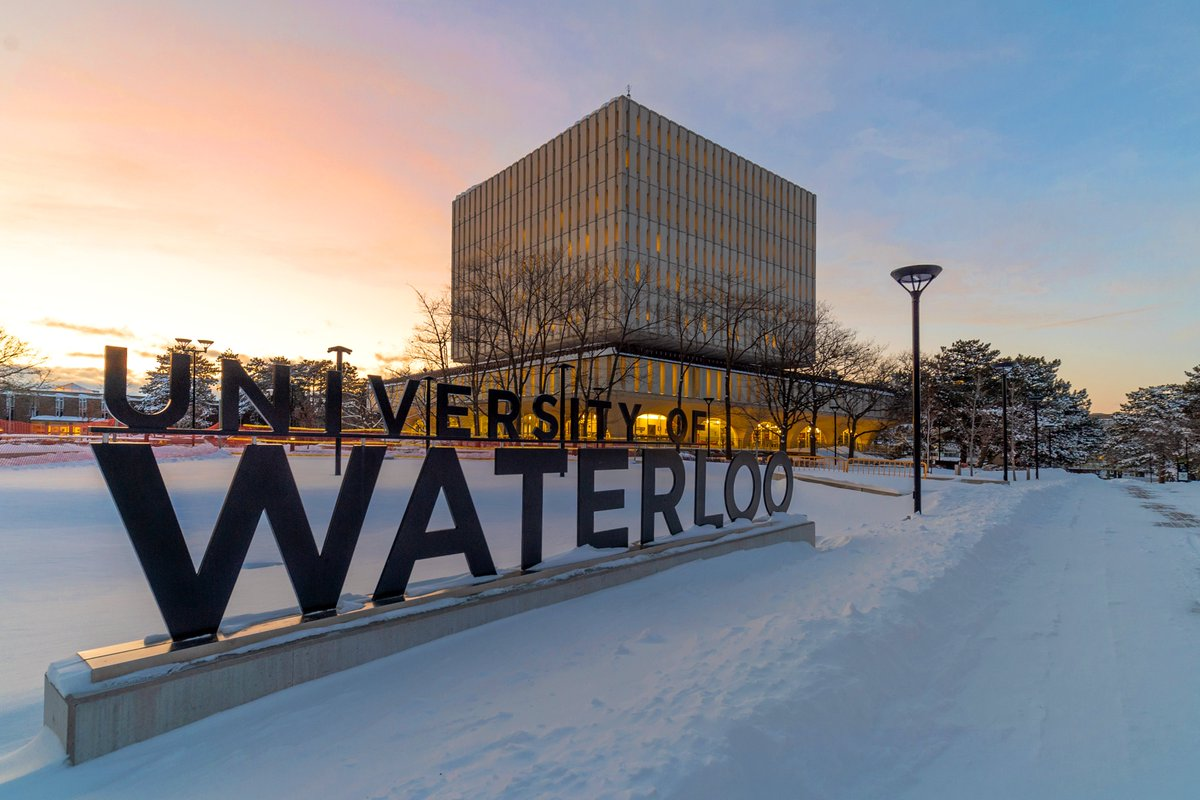
program_overview
What is Software Engineering?
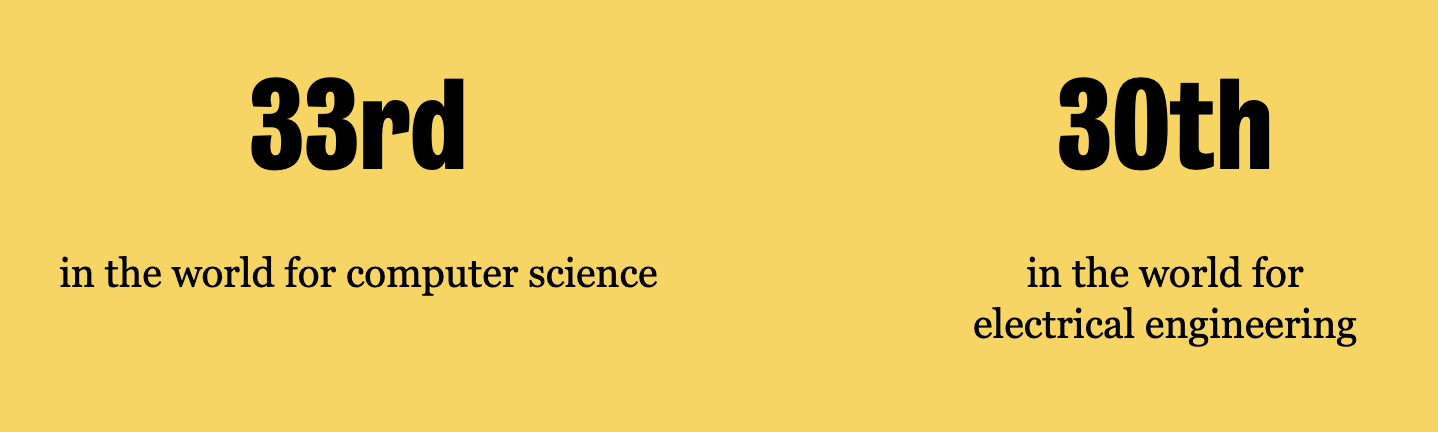

Program structure
- Joint between the Engineering and Math faculties
- ECE + CS
- Co-op only; 6 work terms built-in
- More structured than Computer Science
What you learn
- Programming, algorithms, data structures
- Software design, architecture, testing
- Hardware basics (not fun, but it's only like 3 courses)
- Engineering communication and teamwork
accredited engineering degree, so going for P.Eng. after graduation is possible!
diff SE CS
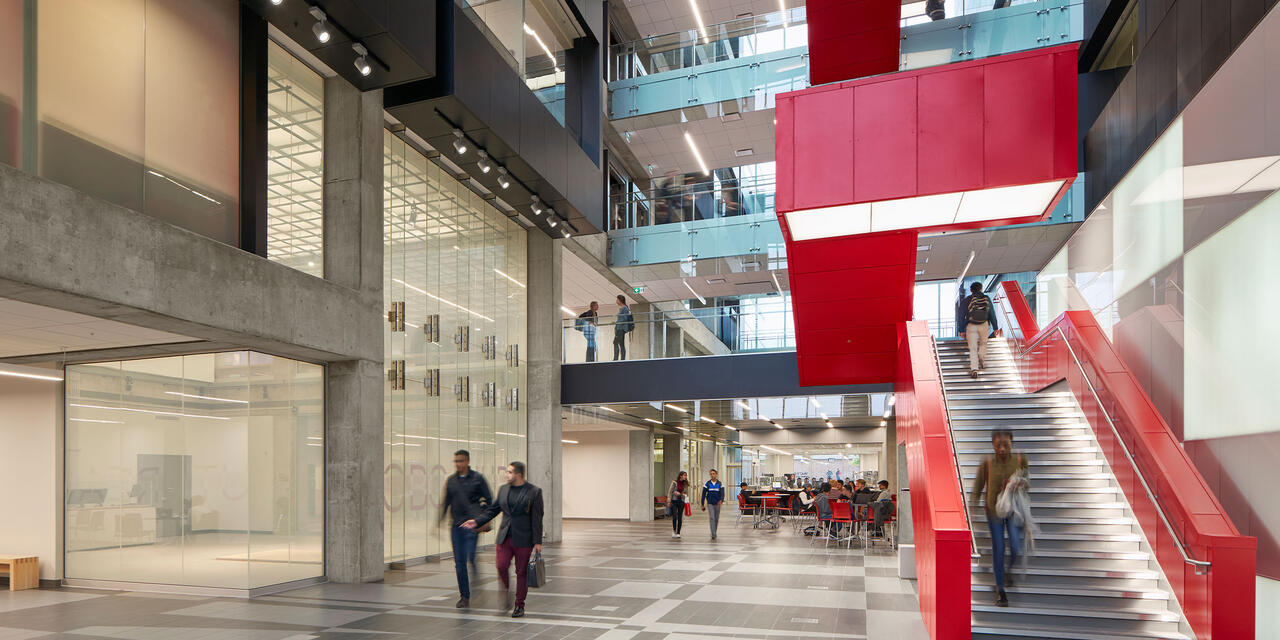
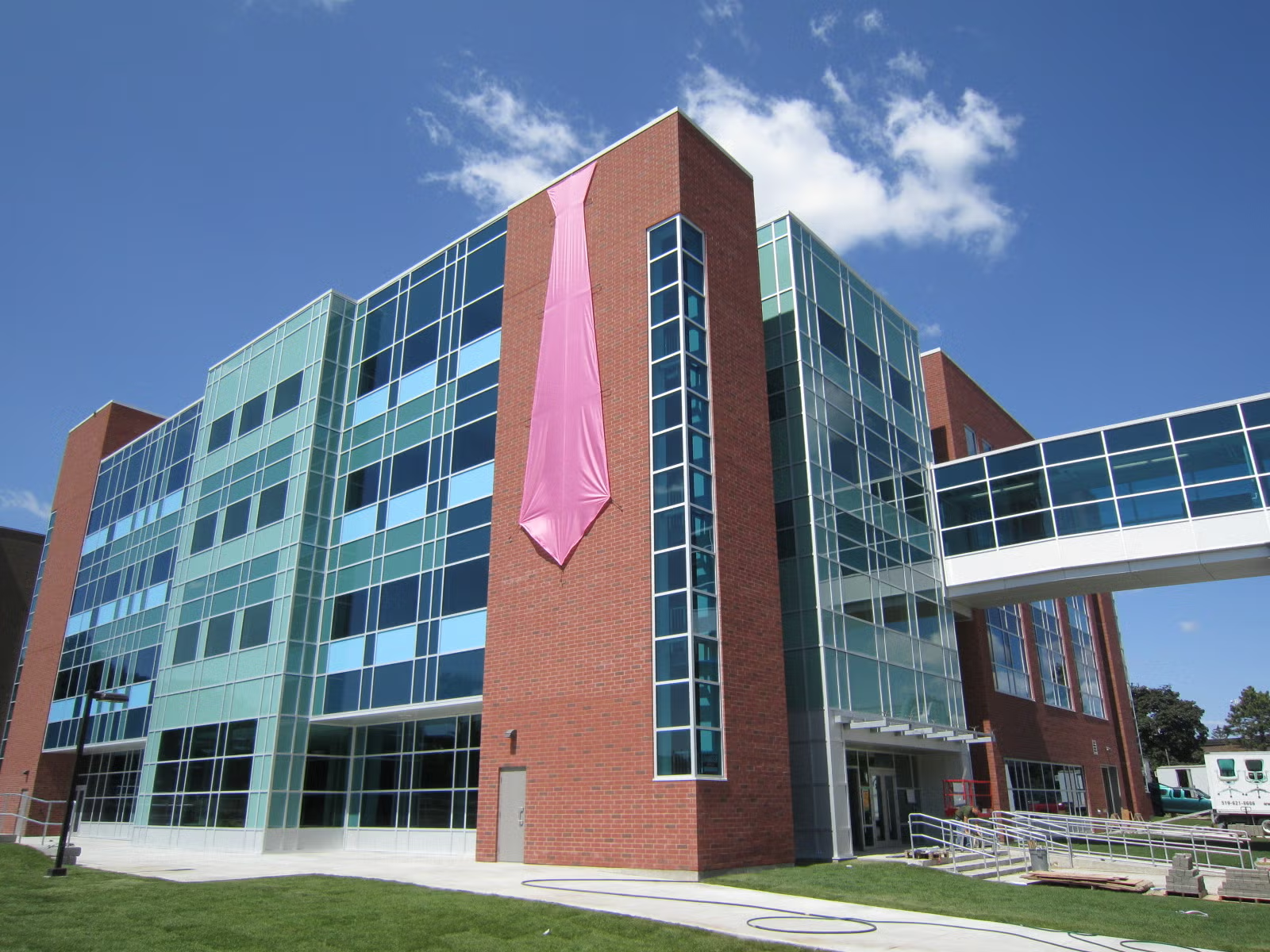
SE vs CS - what's different?
+ What SE adds
courses are overall more application focused, CS has a lot of proofs courses and much more theory based (it's a science)
Cohort system; super easy to make connections
Hardware, circuits, and engineering fundamentals
− What SE trades off
Fewer elective choices in early terms
Less flexibility for non-technical courses
Much heavier required course load each term
both can lead to similar careers, but it's basically preference
coop_focus
Co-op @ UW
How the process usually runs
- Each cycle starts with job postings, resume drops, and ranked applications
- Interviews are short and frequent, so prep a clear story for each project on your resume
- Match results come after rankings; if unmatched, continuous round is normal
- Use every term to improve resume quality, interview clarity, and project depth
Insights that actually help
- Early co-op terms are often about learning how teams ship, not just coding speed
- Smaller teams can give you broader ownership; bigger teams can give stronger mentorship
- Keep a running "impact log" during jobs so your next application has strong evidence
- Networking with upper years improves interview prep and employer targeting
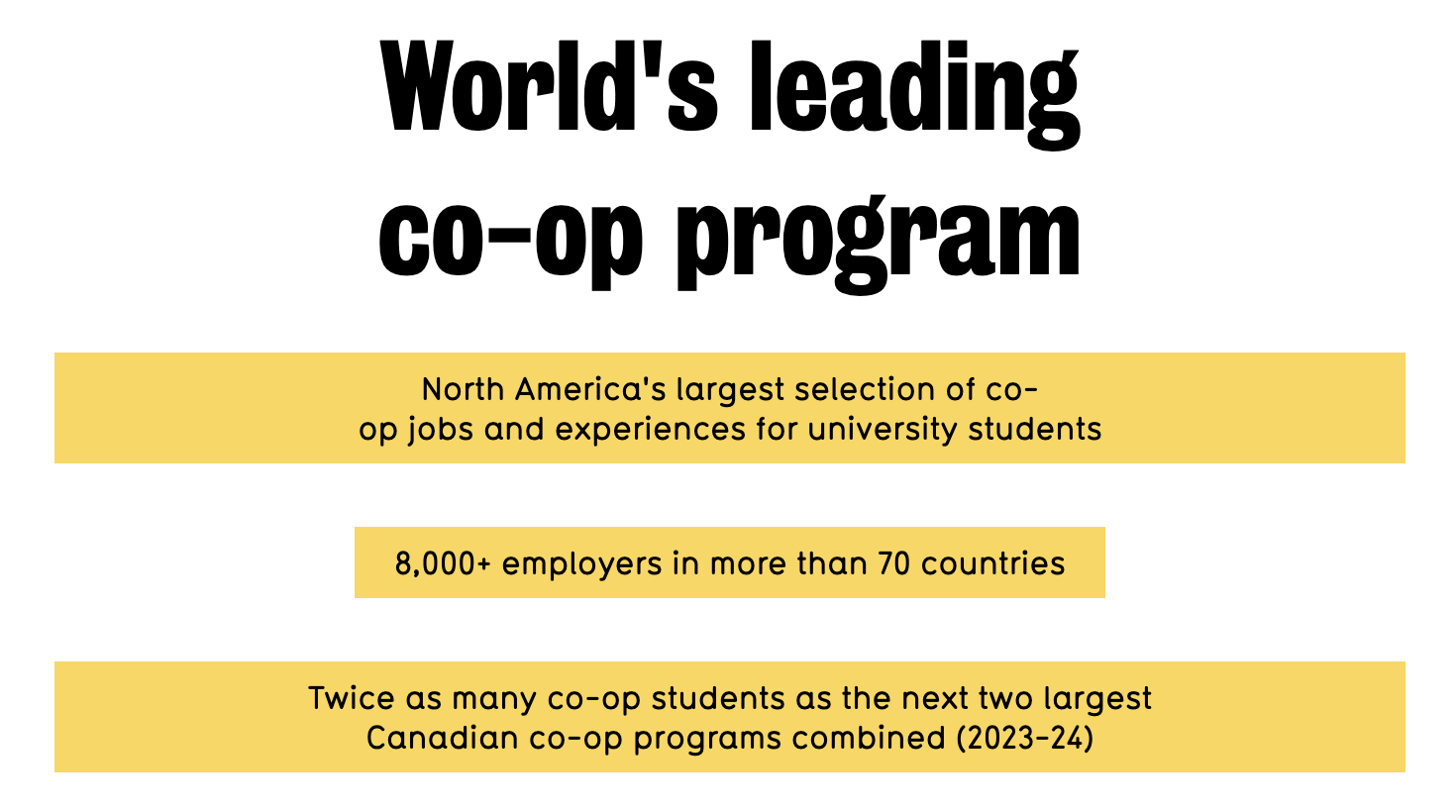
co-op outcomes are built over multiple terms; momentum compounds if you track what you learned each work term
Getting In
// grades, AIF questions, interviews, and first-year prep
admission_requirements
High school grades
Required courses
- ENG4U English
- MHF4U Advanced Functions
- MCV4U Calculus & Vectors
- SCH4U Chemistry
- SPH4U Physics
- +1 Additional Grade 12 U/M
2025 Adjustment Factors
Competitive targets
low-mid 90s // competitive admission average (although even having high 90s is a gamble due to mark inflation)
70%+ // minimum per required course
CS courses (ICS3U/4U) recommended
Grades alone won't get you in
Highly competitive applicant pool
Supplementary application required (AIF + interviews)
supplementary_application
AIF: what you will answer
Questions 1 and 2 150 words each
- Q1 passion/interest: how and when you got involved, what you learned, and how you will apply it at Waterloo
- Q2 community involvement: your contributions, leadership, and impact on group goals
Questions 3 and 4 150 words each
- Q3 experience reflection: unfair treatment situation, your response, and what changed
- Q4 goals for Waterloo: main goal, exposure to the field, and advice/backup planning
Question 5: outside the classroom
- List school/community/home activities with hours from the last 12 months
- you don't need 300 hours for each activity, it's not worth it to exaggerate. A realistic amount of commitment is much more valuable than simply a bigger number!
online_interviews
Engineering + Software Engineering interview details
Engineering interview
- For all Engineering applicants
- Optional but highly recommended for admission
- Required for Engineering entrance scholarship consideration
- Video question (90 seconds): experiences that motivated your program choice
- Two scholarship yes/no questions: FIRST Robotics and entrepreneurship interest (does not impact your application result)
Software Engineering interview
- For Software Engineering applicants
- Required for admission to Software Engineering
- Written question: list your experience with programming, months of use, and how you used it
- 150-word limit and 5-minute time limit
btw you can literally just find the interview questions online and prepare bullet points beforehand
personal_example
My application
Grades I applied with
- English99
- Advanced Functions100
- Calculus and Vectors97
- Chemistry94
- Physics94
- Computer Science99
Top 6 average: 97.2%
What I highlighted in my app
ECs:
- 6 years in GYL, Secretary, Ensemble Head
- Competitive snowboarding for 7 years, multiple podium placements
Programming experience:
- Java (4 years), C# (2 years), Python (6 months)
- Full 2D games from CS class and CCC distinctions (uwaterloo contest)
lying on app can look super obvious...

 don't believe everything you hear on tiktok/reddit!
beyond_grades
Extracurriculars that matter
Programming experience:projects, CCC, hackathons, etc... literally way to show genuine interest in the field.
Leadership & community:clubs, volunteering, etc... show initiative and responsibility beyond school.
Competitions & achievements:math contests, science fairs, sports to show discipline and drive.
Personal interests & passions:activities that show who you are; way more important than adding fluff
you don't need a startup or a cure for cancer. involvement and growth stand out enough
application_advice
Tips for applying
Focus on fundamentals
- Keep your grades high in required courses
- Show real programming experience through projects or contests
- Apply broadly so one decision does not define everything
Write and present clearly
- In the AIF, highlight what you learned rather than only what you did
- Be yourself! There is no single perfect answer format
- Lead with authenticity over a polished but fake story
- Explain why SE at Waterloo is your best fit
don't accept/apply to programs that you don't have genuine interest in (i.e. accepting a random Waterloo program in hopes of doing an internal transfer). You'll end up stuck in a program you don't like and have required courses that don't help with your career path
First Year
// what the transition feels like and how to prepare
first_year_courses
First-year course snapshot (SE)
1A Term
- MATH115 (Linear Algebra for Engineering)
- MATH117 (Calculus I for Engineering)
- MATH135 (Algebra for Honours Mathematics)
- CS137 (Programming Principles in C)
- SE101 (Introduction to Methods of Software Engineering)
- CHE102 (Chemistry for Engineers)
1B Term
- MATH119 (Calculus II for Engineering)
- CS138 (Data Abstraction and Implementation in C++)
- ECE124 (Digital Circuits and Systems)
- ECE140 (Linear Circuits)
- ECE192 (Engineering Economics and Impact on Society)
- + Communications Elective (one elective kinda? yay!)
first_year_reality
What first year usually feels like
Academic transition
- way faster pace and heavier workload than Grade 12
- Labs, quizzes, and assignments are handled by different people (TAs, profs, lab instructors), so they all run at the same time, can get overwhelming
- lots of opportunities to do self-organized group work
Habits that help early
- Schedule your week before deadlines pile up
- Use office hours, TAs, and help from classmates
- SLEEP
beyond_the_curriculum
There's a lot more than just classes
design_teams
WATonomous, UW Robotics, WatAI, WatStreet, and many more.
hackathons
Hack the North is one of the biggest in North America, and it's hosted at Waterloo. Hackathons are a great way to meet like-minded, brilliant people and build real solutions.
side_projects
UW culture actively encourages building/learning things on your own time. Projects get shared, iterated on, and eventually become interview talking points or startups.
cohort + social
SE has a cohort system of 140-ish people through all your terms. Makes it really easy to form study groups, find teammates, and build lasting friendships.
clubs
many clubs on campus. Music, cultural, academic, and competitive. Easy to stay involved in things you already care about or try something new.
intramurals
Rec sports leagues for basically every sport. Low commitment, good way to stay active and decompress during heavy terms.
final_thoughts
a few things to keep in mind
rejectionis not the end. Losing out on your top choice school doesn't define your career. What matters is the effort and initiative you bring throughout undergrad, wherever you end up.
comparisonis a waste of time. Everyone is on a different path with different circumstances. Comparing yourself to others is the single worst thing you can do for your own growth and mental health.
effort compounds.The habits, work ethic, and curiosity you build now, regardless of which school accepts you, will be what actually shapes your future.
Questions?
juliankim4321@gmail.com
slideshow @
https://gyl-seminar.juliankim.dev/